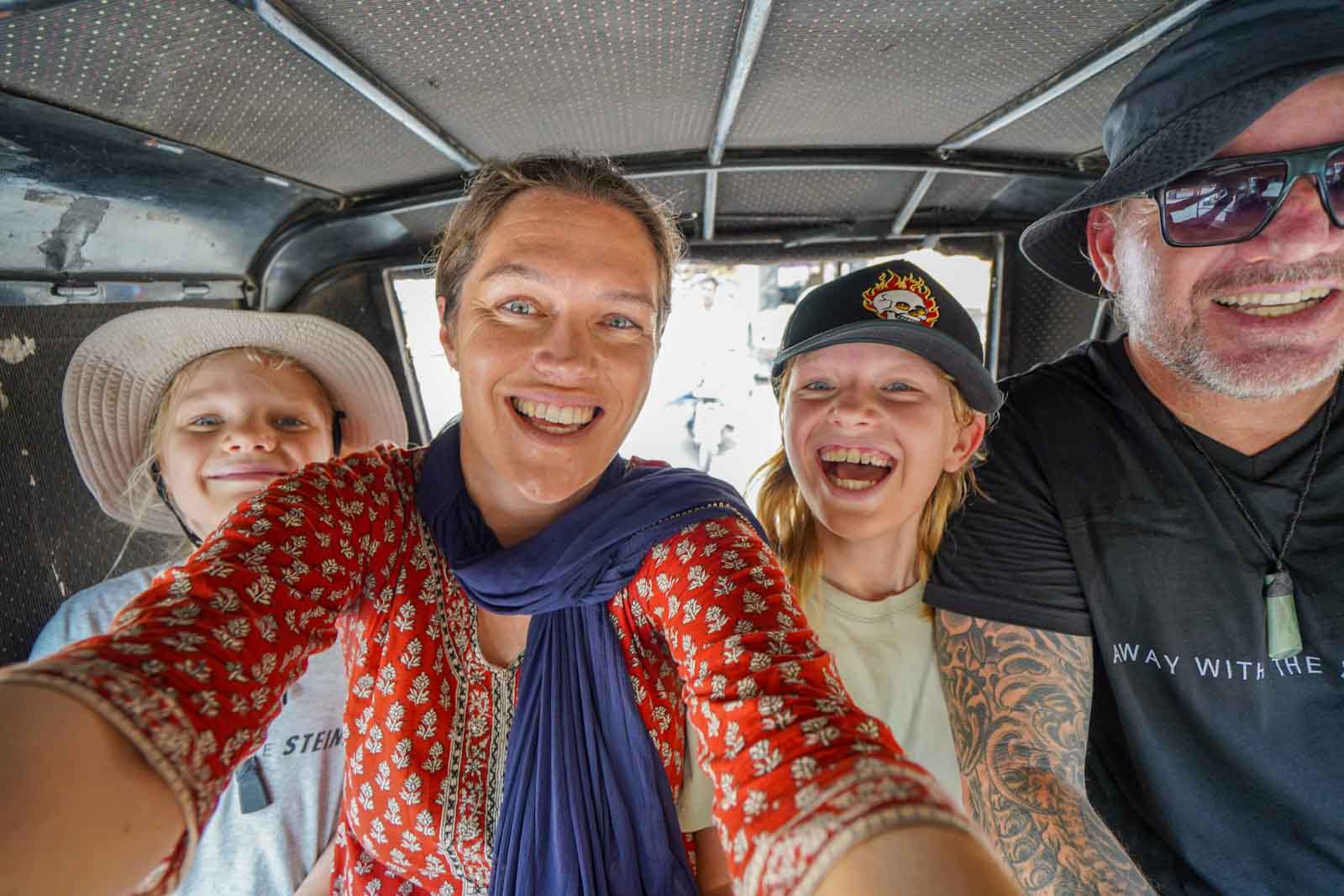
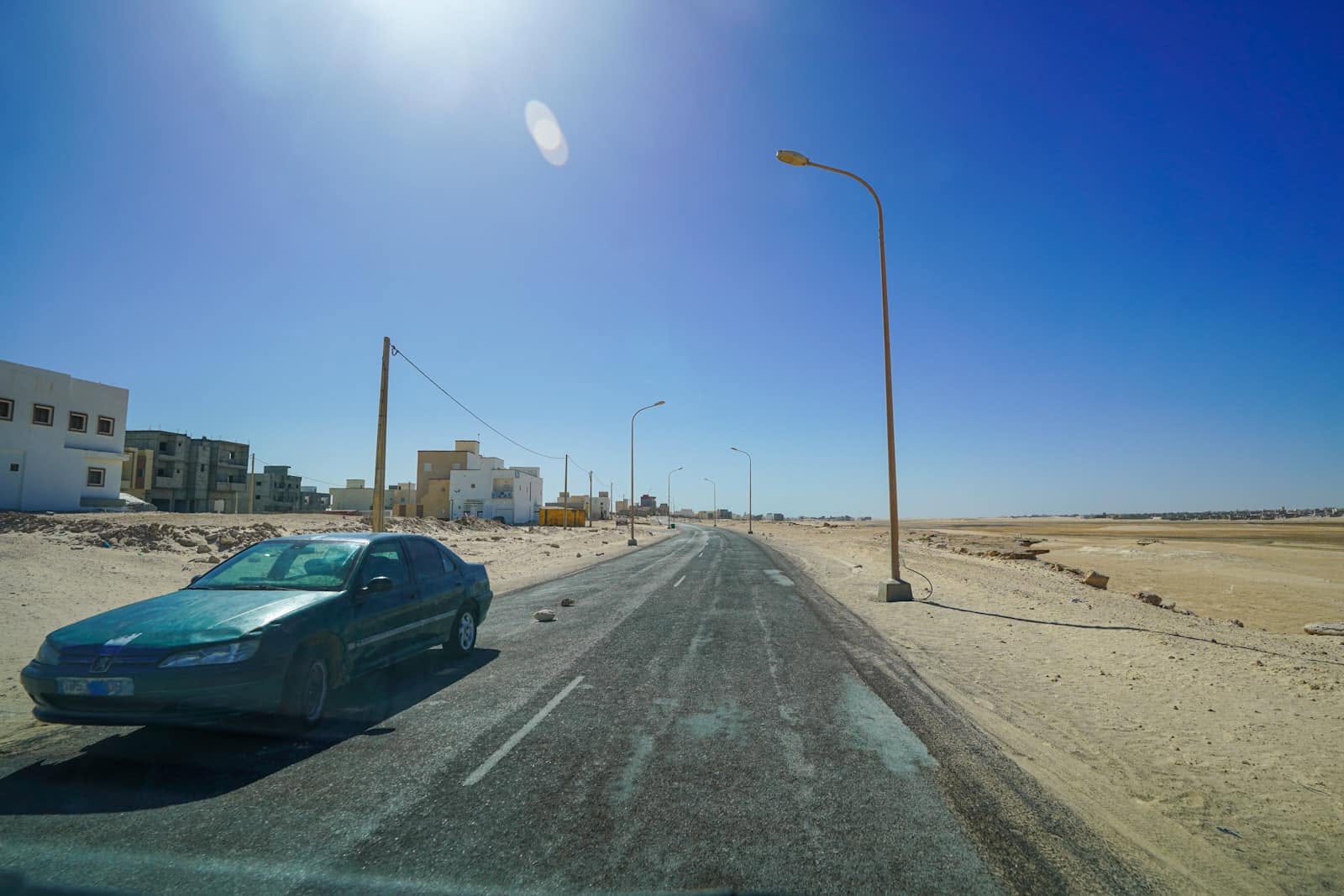
Nouadhibou was never on our to do list, but it was definitely our next step, coming overland from Morocco and Western Sahara heading south. It is a pretty essential stopping point for West Africe, even if it’s just to catch your breath and say we made it.
If you are overlanding down the West Coast of Africa in a camper van or backpacking your way through the Sahara, Mauritania’s second-largest city, Nouadhibou, is bound to be your first real taste of sub-Saharan Africa.
So here are some tips – and the honest reflection that we wish we had – before you cross the border.
Ready for Noudhibou and Mauritania?
The Next Step Through
Nouadhibou is dusty, windy, and raw as far as travel destinations go. But it is an interesting transition hub.
The city is located right on a narrow peninsula, and is an industrial fishing city and iron ore port. It definitely isn’t exactly built for tourism – but for adventurers, the ones taking that next step through from Dhaka and your cruise up the coast of Morocco – it’s an essential pitstop.
Here is our Away with the Steiners honest guide to navigating Nouadhibou, from border details to the top things to do.
Navigating the Border from Morocco to Nouadhibou
Crossing the border from Dakhla, Morocco, to Nouadhibou at the Guerguerat border terminal is an all-day event. Leave Dakhla really early (around 8:00 AM) to tackle the 367 km drive to the border.
- Moroccan Exit: Avoid arriving right at midday or you’ll hit prayer time and wait outside the gates for an hour.
- Crossing: Once inside, get your passport stamped, then proceed to the massive vehicle scanner shed. The operator will sign off on your temporary vehicle import paper (TVIP).
- The No-Man’s Land: You will drive through a notorious, bumpy patch of unpaved desert road between the two border posts. Keep your eyes on the road/ track. This is no place for photos.
- Entering Mauritania: Park at the main entrance, clear customs, and purchase your Mauritanian Visa and vehicle insurance (prices range from 964 MRU for 3 days up to 2,146 MRU for 30 days).
- Dogs: An officer and a sniffer dog will likely do a quick check inside your van, if you’re travelling with a dog, I would probably let them know beforehand. Their dogs don’t look that friendly and I can’t imagine that social towards other dogs.
Crossing the Border by Bus
By Bus: If you’re backpacking, commercial buses and shared grand taxis run regularly from Dakhla to the border, where you will clear immigration on foot before finding onward transport into Nouadhibou, which is just an hour (64 km) down the road from the terminal.
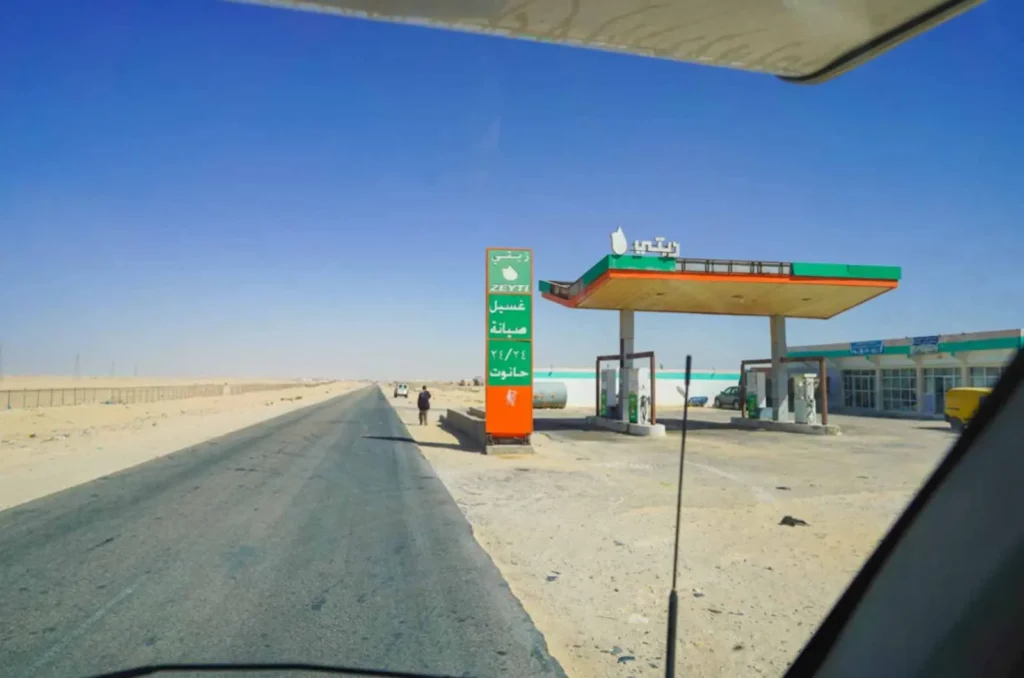
Some Things to Do in Nouadhibou
Nouadhibou isn’t known by any means as a tourist destination. Taking photos is seriously scowled upon (and yelled at). But there are a few things to do in Nouadhibou that are worth including and some places to check out while you are passing.
The Iron Ore Train
- The Iron Ore Train: This is the most famous of things to do in Nouadhibou. You really can’t visit Nouadhibou without spotting the legendary Train du Desert snake its way into or out of the city. It stretches up to 3 kilometres long, so it’s one of the longest and heaviest trains in the world. You could also check out my video on YouTube. As I’ve actually ridden this thing both ways – empty and loaded. But even if you aren’t brave (or crazy) enough to jump inside an empty, dust-choked cargo wagon to ride it into the desert, watching this beast rumble past the edge of town is a wicked sight to see.
Things To Do in Nouadhibou
- Nouadhibou Market: This busy market in the centre of town is worth checking out. It’s not for photos, but it is a good spot to people watch, haggle for local trinkets, and stock up on fresh fruits and vegetables.
- Galloufa Restaurante: This is a basic restaurant in the centre of town – with plenty of parking – and popular with expats.
- The Fishing Port: The harbour is a hive of activity, packed to the brim with colourful Senegalese pirogues. It’s an interesting place to look at the local economy. But (again) keep your camera tucked away – the fishermen here are notoriously camera-shy, and photography is highly discouraged.
- The Peninsula (Cap Blanc): At the southernmost tip of the peninsula is a small protected national park.
- Bird Watching: If you’re into wildlife, the salt marsh estuary right next to the bay is known for its birdlife, from massive pelicans to migratory birds flocking south for the winter.
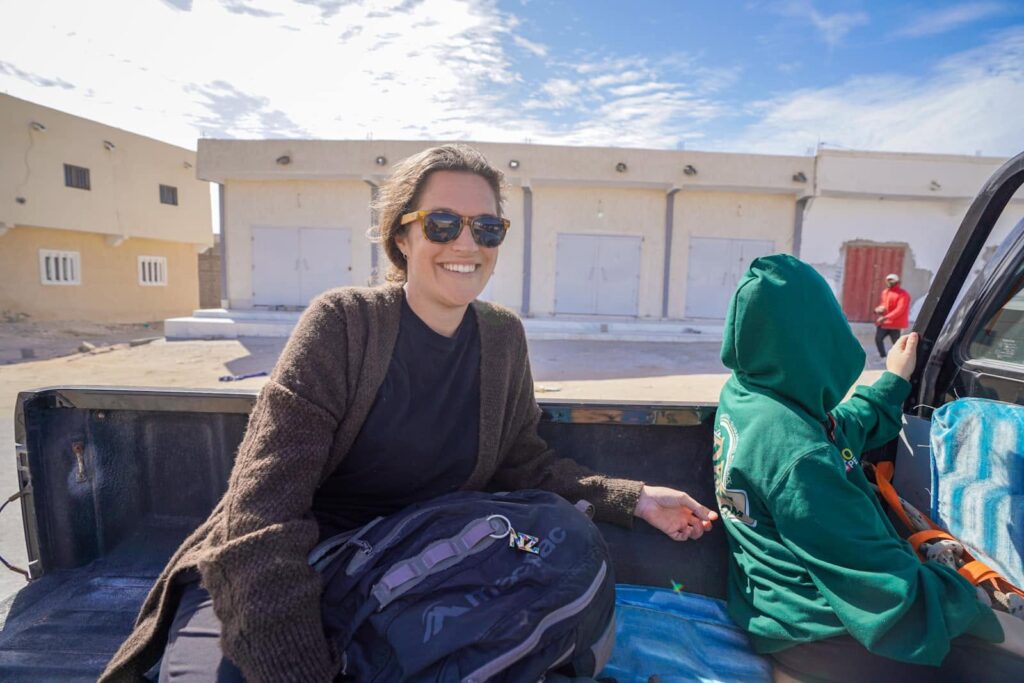
Galloufa Restaurante in Nouadhibou
Whether you’ve just rolled into town on a dusty bus from Nouakchott or crossed the border in a van from Morocco, Nouadhibou can be a lot to take in. We always reckon it takes 24 hours to find our feet somewhere new. Which in Nouadhibou, is an understatement. It takes for sure a solid 24 hours just to adjust to the heat, the bustling markets, and the persistent street hustlers.
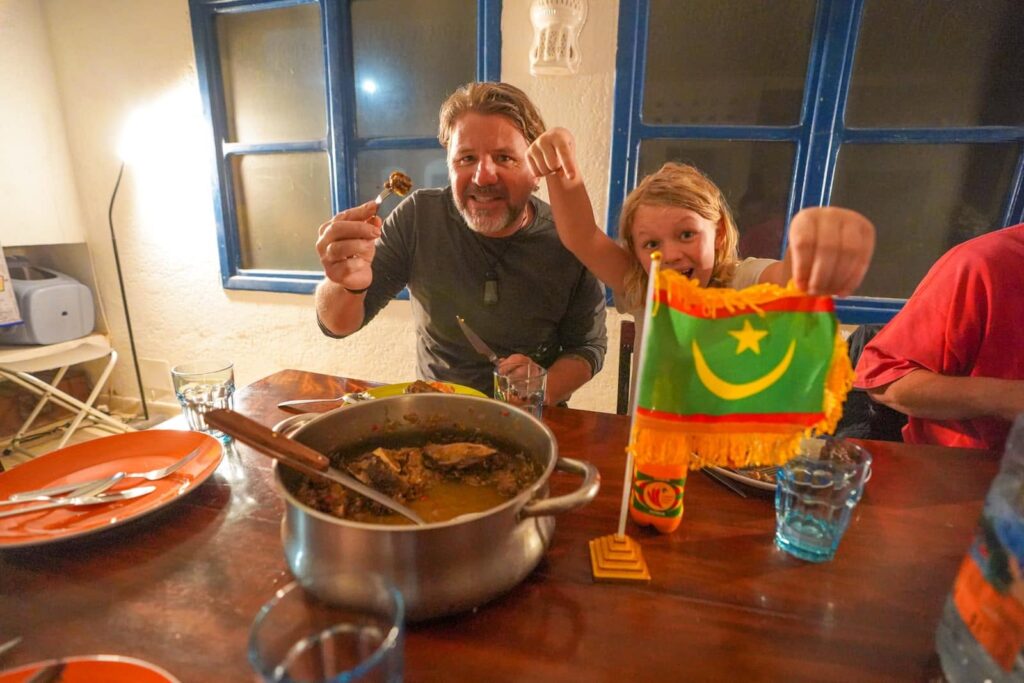
If you need a park-up to escape the chaos, catch your breath, and find your feet, we recommend Galloufa Restaurante.
It is just off the main airport road, and is a standard, Western-style café that is a major hub for the local expat community.
There is a basic but familiar style menu with pizza, pasta, burgers, and standard fast food.
Overlander Note: If you are traveling overland, there is plenty of easy, accessible parking right outside for a van or motorhome.
The Practical Stuff: In Nouadhibou
As with travel anywhere (and especially in Africa), a bit of planning makes things a lot smoother.
Connectivity: Getting a SIM Card
Your Moroccan INWI or Maroc Telecom signal will hold out until about 1 km past the Mauritanian border. Once you hit Nouadhibou, look for a mobile shop to buy a Moov Mauritel SIM card. You can pick one up for around 200 MRU (~$5 USD) which includes 1GB of data, and buy 100 MRU scratch cards to top up as you go. Be prepared for speeds to occasionally that dip down to a crawl.
Where to Stay & Park Your Van in Nouadhibou
- For Backpackers: Valencia Hotel and Sahel Hotel are reliable, secure spots in the city centre with decent amenities.
- For Camper Vans: With our motorhome we stayed at Villa Maguela just outside of Nouadhibou which we can highly recommend. There is parking for a vehicle (campervan or overlander) for 10 EUR per night or simple private rooms for 15 EUR per night.
Where to Eat & Stock Up on Food in Nouadhibou
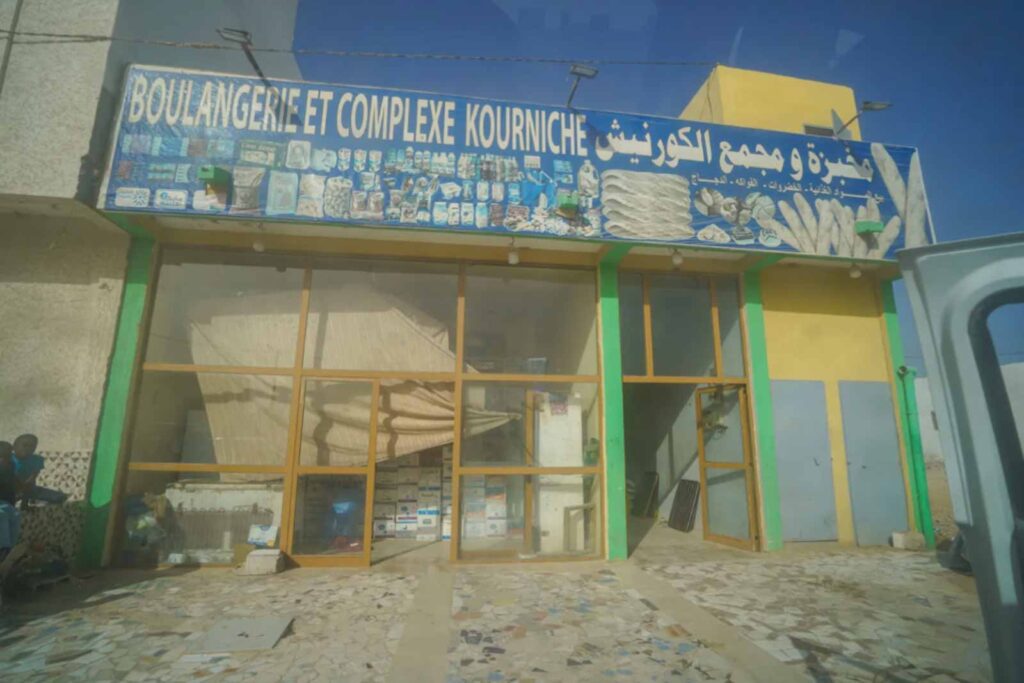
- Stocking Up: Head to the main city market or the (slightly) larger convenience stores along the main drag to stock up on staples like bottled water, pasta, canned goods, and fresh bread.
- Eating Out: There are lots of local stalls serving grilled fish, roast chicken, and fries. Use your instint where to stop. Or sit-down for a meal at Restaurante Galloufa.
ATMs and Cash in Nouadhibou
While Nouadhibou has standard exchange offices and ATMs scattered around, the real challenge for travellers isn’t finding an ATM – it’s finding one that actually accepts international credit cards and has cash available.
I lost track of how many ATMs we actually tried. But we found two that worked with our cards and had cash available.
In theory, there are a few reliable banking networks in town that play nice with foreign bank cards:
- Société Générale: By far the most reliable and popular choice for travellers in Mauritania. If you’re stuck, look for their distinct black and red logo.
- Orabank: Another solid, tested option that reliably processes international card transactions.
- Attijari Bank: A familiar face if you are coming from the north, as it is the exact same banking group widely used in Morocco.
Tip: Mauritania is still very much a cash-dominant society. Even if these ATMs are typically reliable, network outages and empty cash reserves do happen. Always try to pull cash during banking hours, and carry a backup stash of Euros or US Dollars to use at local exchange offices just in case.
A Few Etiquette Tips for Nouadhibou
Mauritania is generally safe for overlanders who respect the local culture, but it requires a few specifics:
- Cameras and Photos: This is the biggest golden rule. Locals in Mauritania generally do not like being photographed. Never point your camera at people or take a photo with a local in the frame without explicitly asking for permission first.
- No Military Photos: Never take photos of military checkpoints, police officers, or port infrastructure.
- Currency Confusion: When changing money at the border (where you can trade Euros or Moroccan Dirhams), watch out for old vs. new Ouguiya currency confusion. If a money changer quotes you “35”, they might mean 3.5. Always type the numbers out on your phone’s calculator to confirm you are both talking about the exact same amount.
My Final Thoughts
Nouadhibou is probably not the prettiest place, but you get out what you put in. Don’t turn back now! 🙂
Travel Planning for Mauritania & Beyond
These are the companies we use and can recommend for planning and booking travel.
- Booking.com – The best all-around accommodation booking site that constantly provides the cheapest and lowest rates.
- 12GoAsia – Book trains anywhere in Asia.
- Skyscanner – This is by far our favourite flight search engine. They are able to search small websites and budget airlines that larger search sites often miss. We book all our flights through Skyscanner.
- GetYourGuide – Get Your Guide is a huge online marketplace for tours and excursions offered all around the world including everything from walking tours, adventure ticket, local tours and more!
- SafetyWing – A global travel insurance that covers people from all over the world while outside their home country. You can buy it short or longterm; and even if you are out of the country.
- World Nomads – Travel insurance tailored for longterm travel and nomads (including those who have already left home). Make sure you have insurance before travel anywhere in the world!
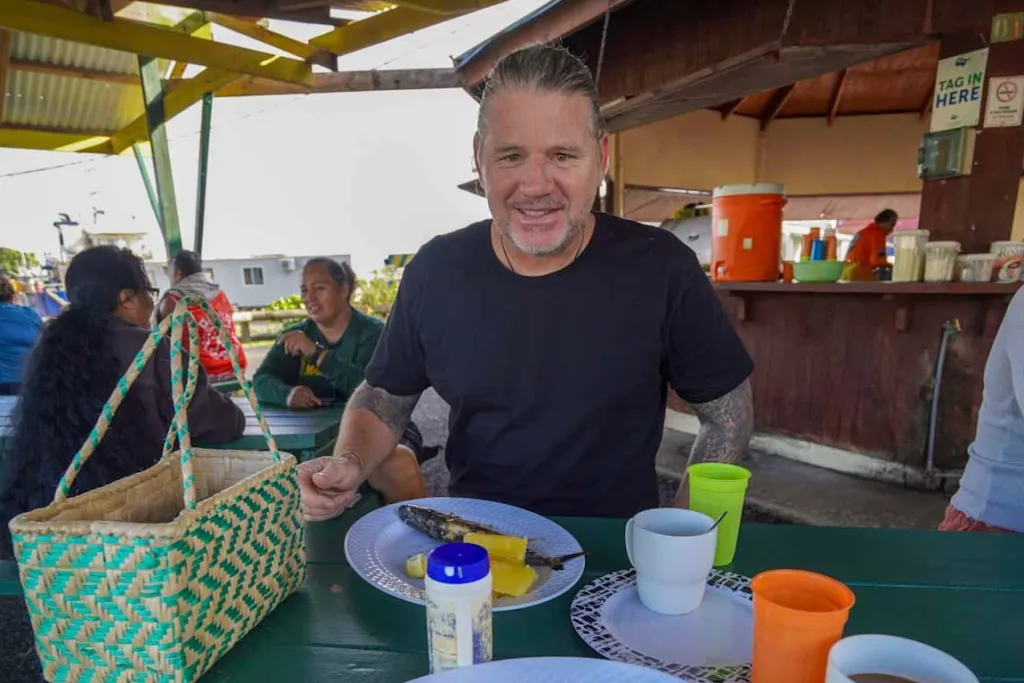
Gavin is our people-meeter wherever we go. For all the stories we share about the kindness of strangers in Uzbekistan, Morocco, Saudi Arabia and more, it is Gavin that extends a handshake and meets a new friend without even sharing the same language.